
p53 • MDM2 • mutant p53 • cancer therapeutics
Carol Prives — Columbia University
We investigate the molecular regulation of the p53 tumour suppressor, how cancer‑associated p53 mutants acquire new activities, and how p53 pathways can be targeted for therapy.
Overview
Investigating p53 at the interface of structure and cancer biology
Combining structural, biochemical and in vivo approaches, the lab dissects p53 regulation and mutant p53 activities to inform rational therapeutic strategies.
Research →Research programmes
Four focus areas
p53 structure and DNA binding
How do p53 structural elements and conformational dynamics determine sequence-specific DNA binding and transcriptional outcomes?
Explore programmes →02Regulation of p53 by MDM2 and MDMX
How do MDM2/MDMX and ubiquitin‑system components determine p53 stability, localisation and activity?
Explore programmes →03Mutant p53: biochemistry and gain‑of‑function
What molecular changes convert tumour‑derived p53 mutants into oncogenic drivers, and how can these be targeted?
Explore programmes →04p53-dependent metabolism and therapeutic targets
How does p53 govern metabolic pathways that influence tumour initiation and therapeutic response?
Explore programmes →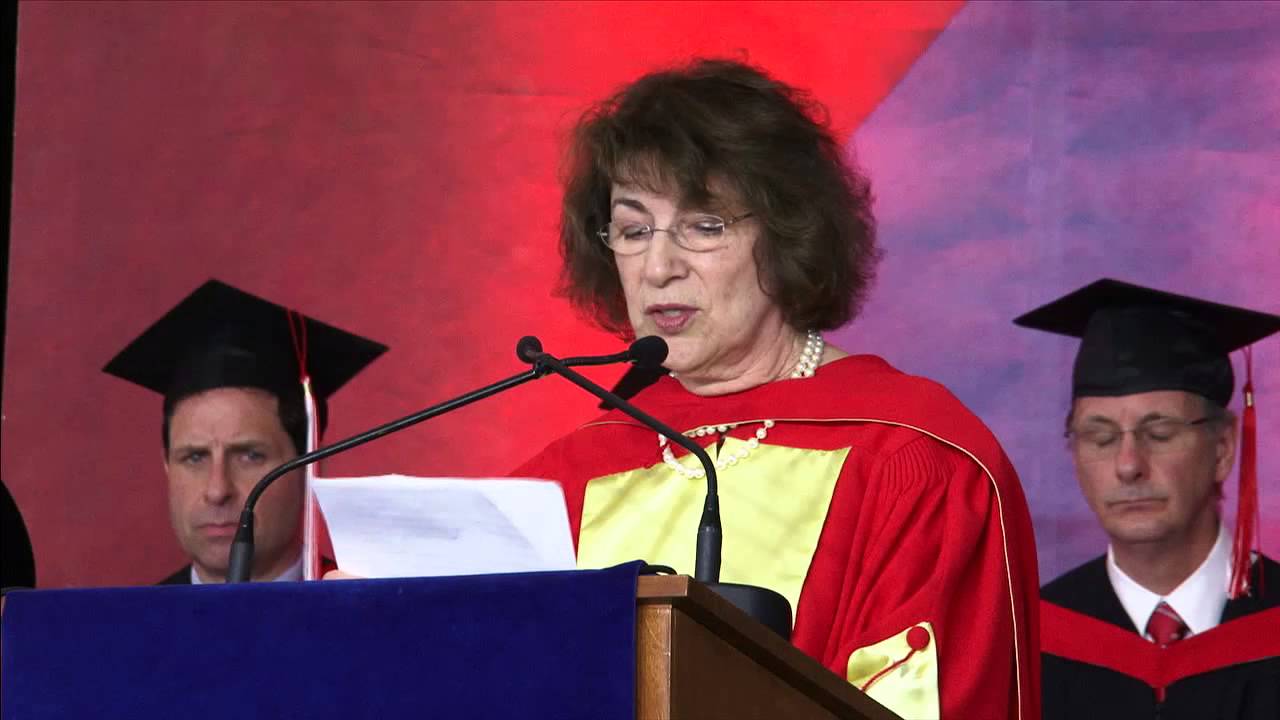
Principal investigator
Carol Prives
Da Costa Professor of Biological Sciences
Carol Prives is the Da Costa Professor of Biological Sciences at Columbia University. Her laboratory has been at the forefront of p53 research for decades, with work spanning p53 structure, regulation and implications for cancer therapy.
View profile →Join the lab